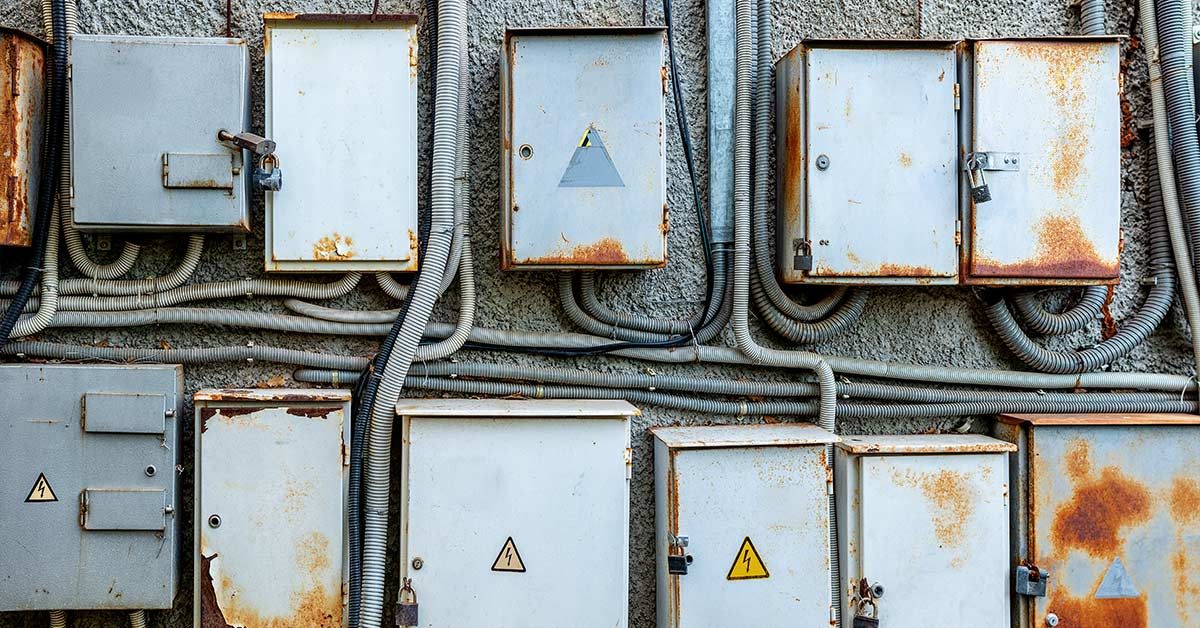
If your Weatherford Texas home or business was built in the 1960s–1970s, there's a good chance it still contains outdated electrical components – like aluminum branch-circuit wiring or an old 100-amp breaker panel. These antiquated systems pose serious fire hazards and even insurance risks for homeowners. In fact, the U.S. Consumer Product Safety Commission (CPSC) found that homes built before 1972 with aluminum wiring are 55 times more likely to have overheating connections that reach "fire hazard conditions" compared to homes with copper wiring. It's a hidden danger: connections can get hot enough to start a fire inside your walls without ever tripping a breaker. In this article – authored in the voice of a licensed master electrician with an advanced marketing background – we'll explain why upgrading old wiring and panels is critical. You'll learn how aging electrical systems can put Weatherford homes at risk and how proactive upgrades protect your family, property, and even your insurance coverage.
Modern living places far greater demand on electrical systems than decades ago. Unfortunately, many older North Texas homes haven't kept up. By educating yourself on the risks of aluminum wiring, undersized service panels, and other outdated equipment, you can make informed decisions to keep your home safe. Let's explore the key issues with aging wiring and what it takes to eliminate these "old wiring, new risks" from your Weatherford area home.
The Hidden Dangers of Outdated Wiring in Weatherford Homes
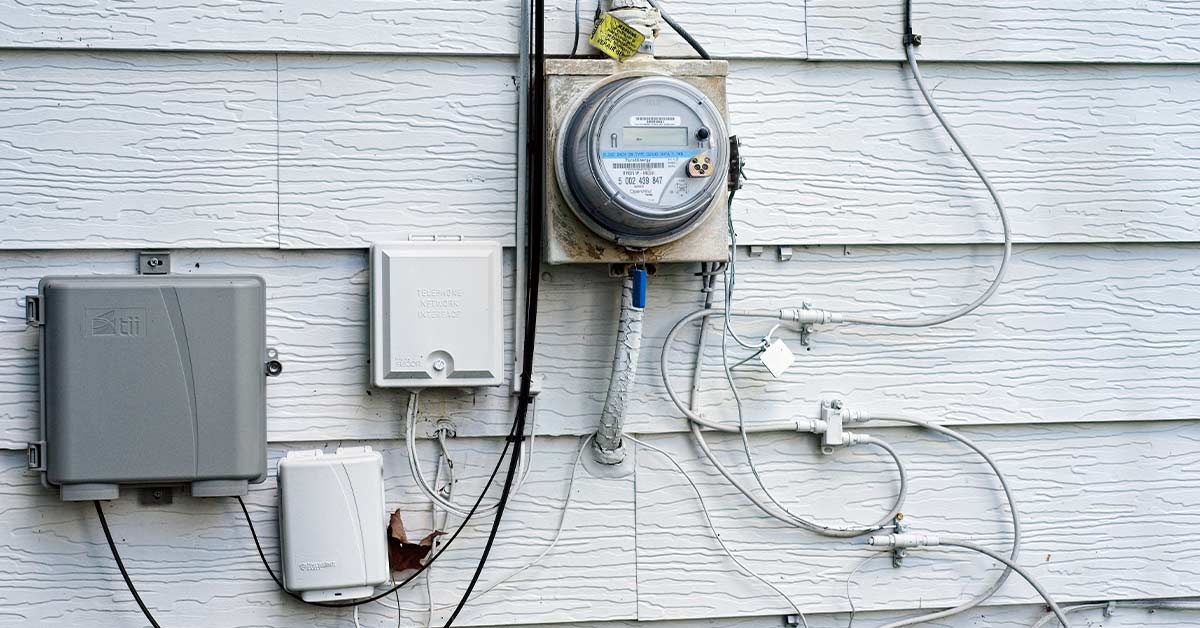
Old electrical wiring might be out of sight, but it shouldn't be out of mind. Aging or improper wiring is a leading cause of house fires nationwide. According to the National Fire Protection Association (NFPA), electrical malfunctions or failures account for about 13% of home structure fires and are the second-leading cause of U.S. home fires. Homes older than 40–50 years are especially vulnerable because their wiring insulation, connections, and capacity can degrade or fall below today's safety standards. Parker County is home to many mid-century houses, and while their charm endures, the original wiring inside walls may be deteriorating and overloaded.
Common outdated wiring types include **knob-and-tube wiring** from the early 20th century, **cloth-insulated wiring** from the 1940s–50s, and **solid aluminum wiring** from the 1960s–70s. Each comes with unique hazards. Knob-and-tube lacks grounding and can have brittle insulation. Cloth wiring also becomes brittle and can overheat. But **aluminum branch-circuit wiring**, widely installed in the late 60s due to a copper shortage, has proven especially dangerous. Aging aluminum wiring is prone to loosening, corroding, and arcing at connections, which greatly increases fire risk over time. If your Weatherford home still has this old wiring in use, it's not a question of if problems will occur – it's when.
Even if the wiring itself is intact, outdated electrical panels or breakers can create hazards. Many older Texas homes built in the 1960s had 60-amp or 100-amp service panels, which are often insufficient for today's electrical loads. An undersized panel means circuits are easily overloaded. Plus, some legacy breaker panels from decades past (for example, the notorious Federal Pacific "Stab-Lok" panels) have a documented history of failing to trip during overloads, leading to fires. In short, an out-of-date electrical system may not protect you when something goes wrong. Recognizing these hidden dangers is the first step toward a safer home.
Aluminum Wiring: A High-Risk Legacy of the 1960s–70s
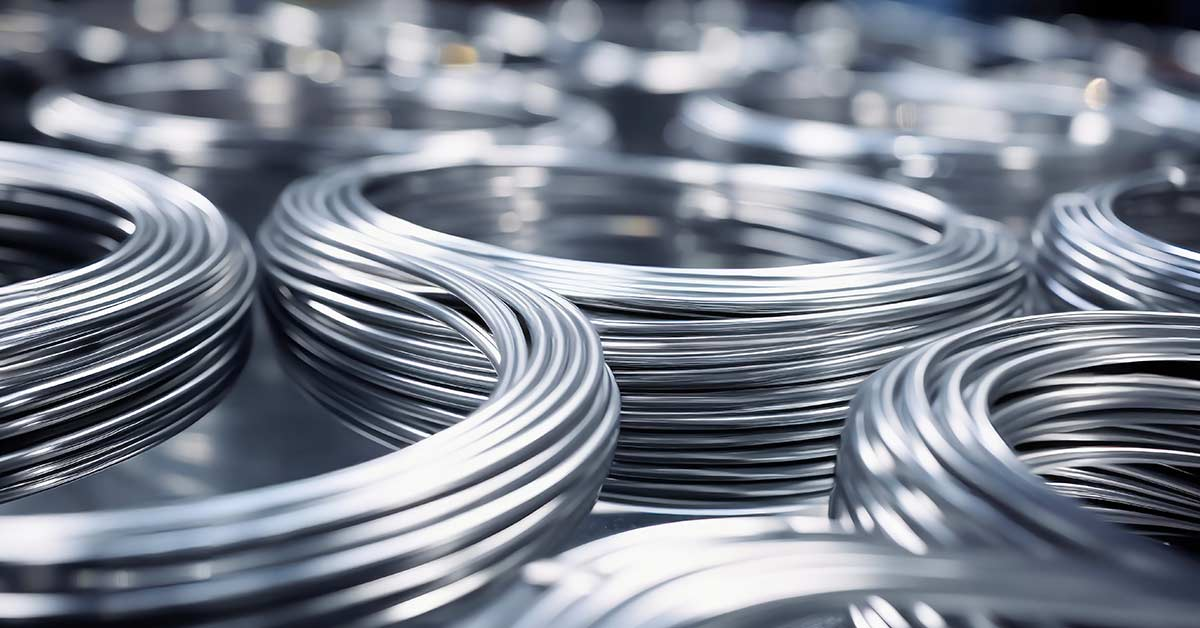
Aluminum branch wiring was installed in millions of U.S. homes from about 1965 to 1973 as a cheaper alternative to copper. While it conducts electricity, aluminum has physical properties that make it a poor substitute in branch circuits. Over time, **aluminum wiring connections degrade** in several ways:
- Thermal expansion: Aluminum expands and contracts more than copper when heated by electrical current. This constant expansion can loosen connections under screws or in wire nuts. Loose connections equal higher resistance and heat buildup.
- Oxidation: Aluminum readily forms an insulating oxide layer when exposed to air. If aluminum conductors aren't properly connected with oxide-inhibiting compounds or compatible terminals, the oxide can increase resistance and cause overheating.
- Mechanical softness: Aluminum is softer and more prone to nicks or deformities. During installation, if an aluminum wire was nicked or bent too tightly, that weak point can spark or overheat under load.
- Creep: Aluminum wire can "creep," or slowly deform, under pressure over time. Connections that were originally tight may loosen years later as the wire creeps away from under screw terminals.
The result of these issues is that aluminum-wired connections (at outlets, switches, splices, etc.) tend to **overheat far more often** than copper. As noted earlier, CPSC research revealed pre-1972 aluminum-wired homes are dozens of times more likely to have hazardous hot connections. The U.S. Consumer Product Safety Commission has received numerous reports of home fires attributed to aluminum branch circuit wiring over the years. Sadly, some of these fires have caused severe property damage, injuries, and even deaths.
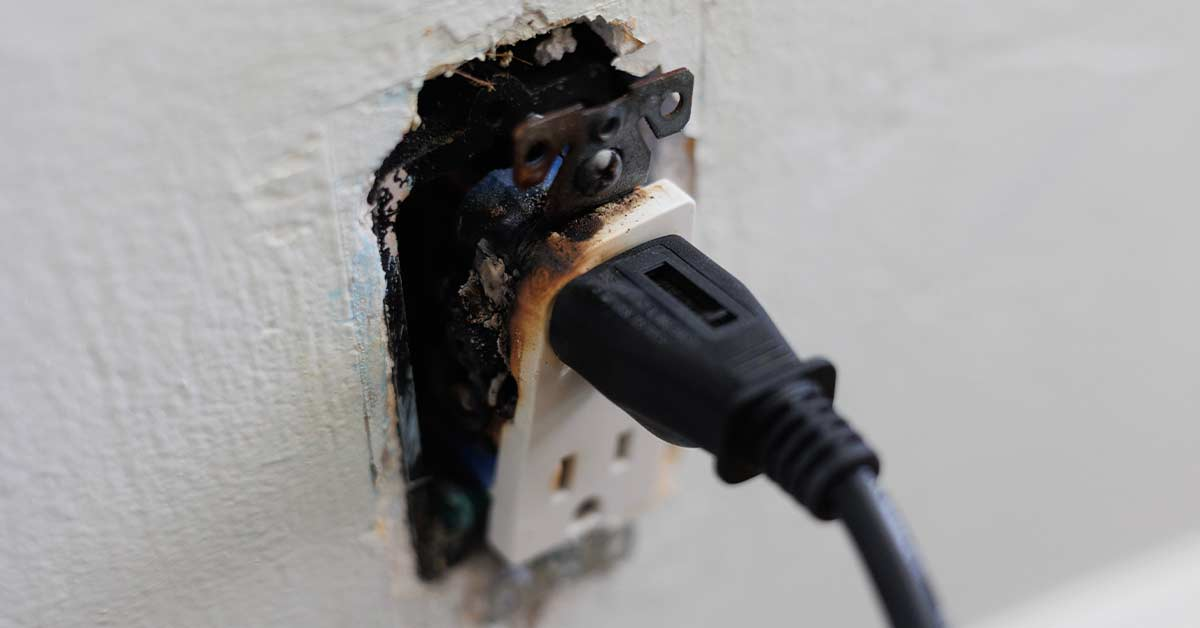
One insidious aspect of aluminum wiring failures is that they typically occur at the connection points – behind receptacles or light switches, inside junction boxes, or at appliance hookups. You generally **won't know** a connection is overheating until a fire starts, because the circuit can still carry power (a slowly failing aluminum connection often doesn't trip the breaker). Warning signs can include frequently flickering lights (not caused by the power company), **warm faceplates** on outlets or switches, or a distinctive burning plastic smell near devices. If you notice any of these in a home with aluminum wiring, shut off power to that circuit and seek a professional inspection immediately.
What's the cure for aluminum wiring problems? The most effective solution is to **replace aluminum branch wiring with copper wiring** throughout the home. Full replacement ensures every connection is copper-to-copper, eliminating the root of the hazard. This is a significant project – essentially a whole-home rewiring – but it permanently removes the aluminum risk. As the CPSC emphasizes, completely rewiring with copper is the surest fix for aluminum wired homes. That's a core service we offer under our electrical upgrades and rewiring solutions at Matador Electric.
If a full rewire isn't immediately feasible, there are accepted mitigation techniques. One method is installing special connectors at every aluminum termination point to join the aluminum wire to a short copper "pigtail" lead. Products like the **COPALUM crimp** or **AlumiConn connector** create a secure interface between aluminum and copper, allowing the device (outlet, switch, fixture) to connect to copper. When properly installed by a qualified electrician, these retrofits can significantly improve safety. In fact, these connector methods are recognized by the CPSC and insurance companies as an acceptable repair short of full replacement. However, note that **every** connection in the home must be treated – including inside junction boxes and at light fixtures – so it's still a labor-intensive process. And it does not completely remove the aluminum; it just manages it. Many Parker County homeowners opt to do this as a temporary measure to satisfy insurance requirements, then schedule a full copper rewiring when possible.
It's also worth mentioning that not all aluminum wiring in a home is dangerous. Modern multistrand aluminum cables are still commonly used for heavy service entrance cables and large 240V circuits (like central AC units or ranges). These thicker aluminum wires, when installed with the proper lug terminals, do not pose the same level of risk at a few large connections. It's the **old single-strand aluminum branch circuits** (15- and 20-amp circuits for outlets and lights) that are the issue. Those smaller wires with many connection points were simply not a good match for the expansion characteristics of aluminum. If your home has aluminum branch wiring, assume it's unsafe unless it has been specifically remediated. Our recommendation as licensed electricians is to have an expert evaluate the wiring and either repair each connection or ideally replace the wiring entirely.
100-Amp Panels and Other Outdated Service Equipment
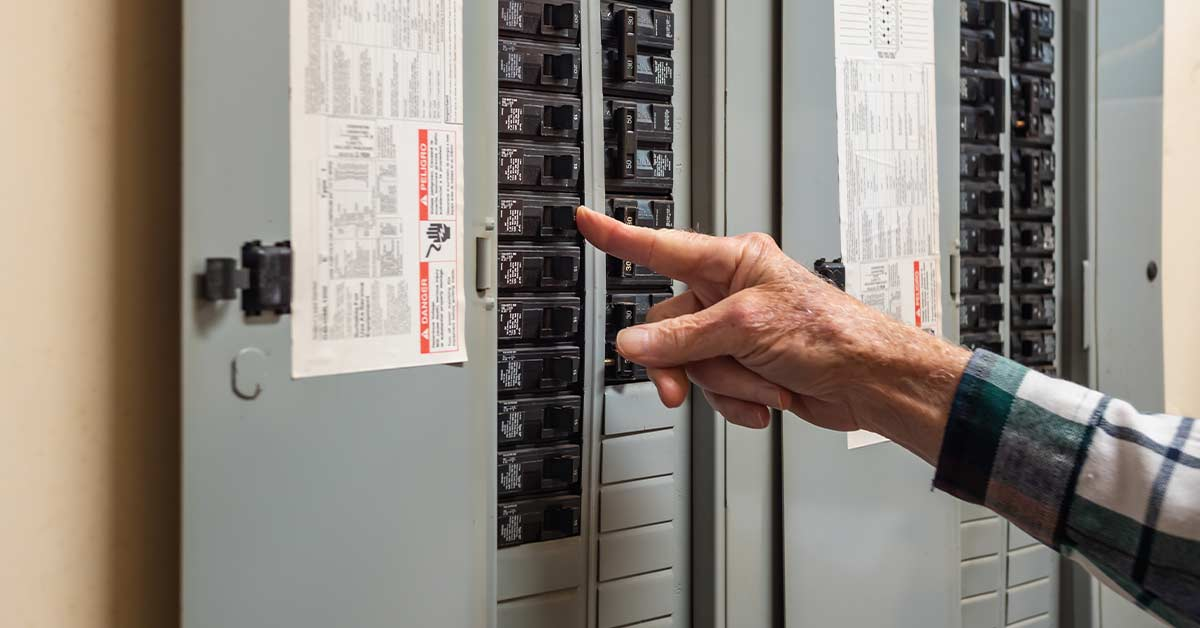
While aluminum wiring is a major concern in older homes, it often goes hand-in-hand with an outdated electrical panel. In Weatherford and surrounding towns, many homes built in the mid-20th century still rely on a **100-amp main service panel** – or even older 60-amp fuse panels in some cases. Back in the 1960s, a 100A service was considered ample for the average house. But today's electrical needs are far greater. If you have central air conditioning, modern kitchen appliances, big-screen TVs, computers, and certainly if you're considering an electric vehicle charger, a 100-amp panel will be stretched to its limits.
Even if 100 amps technically meets minimum code for an older small home, it leaves little margin for adding new circuits or heavy appliances. Many homeowners find that running just a few high-demand devices can frequently **trip breakers** on a 100A system. This is a warning sign that the panel is overloaded. Pushing a panel beyond its safe capacity can cause overheating in the panel itself or in branch circuits. Wires and breaker connections can run hot if too much current is being drawn through too few circuits – exactly the scenario in a home that has outgrown its electrical service.
Safety is another factor. Electrical panels manufactured decades ago may not incorporate the latest safety features. For instance, today's panels support **arc-fault circuit interrupter (AFCI)** breakers that detect dangerous arcing conditions, and **ground-fault (GFCI)** protection for shock prevention – features typically absent in old panels. Furthermore, as mentioned, certain older panel brands (like Federal Pacific or Zinsco) have known defects where breakers fail to trip reliably, creating a fire hazard. One study found that Federal Pacific Electric Stab-Lok panels failed to trip in over half of overcurrent tests and have been linked to thousands of fires. If your home's panel is of this vintage or type, replacing it isn't just an upgrade – it's a priority for safety.
Upgrading to a modern **200-amp electrical panel** is the standard solution for most residences. A 200A panel provides the capacity needed for today's electrical loads with room for future expansion. It can accommodate more circuits, heavier appliances, and generally runs cooler because it's not maxed out. In the Weatherford area, most new homes and major remodels are built with 200-amp service per current code requirements. In fact, many insurance providers now insist on a minimum 100-amp service just to issue or renew a homeowner's policy – and they prefer if you have 150A or 200A. If your panel is over 40 years old, many insurers will flag it for replacement due to age alone. The writing is on the wall: upgrading your old panel is not only about meeting electrical demand, but also about ensuring your home is insurable and up to current safety standards.
At Matador Electric, we specialize in safe, code-compliant electrical panel upgrades and replacements. Our master electricians can swap out your outdated fuse box or breaker panel for a new 200-amp panel with modern breakers, proper grounding, and plenty of circuit capacity. We handle all the necessary permits and coordination with the utility for a seamless service upgrade. Often, we combine a panel upgrade with other electrical upgrades – such as installing new circuits for kitchen appliances or HVAC, or refeeding old aluminum branch circuits with copper – to comprehensively improve a home's electrical safety. The result is a system that's built to handle today's load safely and reliably for decades to come.
Fire and Insurance Risks: What's at Stake with Old Electrical Systems
Homeowners often first discover these wiring and panel issues when facing an unpleasant surprise: their **homeowners insurance** company raises a red flag. Insurance underwriters know how dangerous outdated electrical systems can be. Many insurers will charge higher premiums, exclude coverage, or even refuse to insure homes with certain electrical red flags. Aluminum branch wiring is usually one of those red flags. So are very old (or recalled) breaker panels, and undersized services under 100 amps. From an insurance perspective, such homes are a higher fire risk, period.
For example, one insurance analysis noted that houses with aluminum wiring and 60-amp service panels are frequently classified as "high-risk" and difficult to insure. In practice, most insurance companies will not write a new policy on a home with active aluminum branch wiring unless it's been properly remediated. Some carriers may allow coverage if repairs like COPALUM or AlumiConn pigtails have been done by a licensed electrician (and inspected), while others might stipulate a full rewiring. Similarly, if you still have an old 60A fuse box, virtually every insurer will require it to be upgraded to at least a 100-amp breaker panel. Even a 100-amp panel might be scrutinized – insurers know that many of those panels are at the end of their lifespan or insufficient for modern usage.
What happens if you ignore these issues and an electrical fire occurs? The worst-case scenario is your insurance claim could be **denied**. Policies often have fine print requiring the homeowner to maintain the property in safe condition. If an investigation finds that a fire was caused by known hazardous wiring that you neglected to replace, the insurer can potentially refuse to pay out citing negligence or pre-existing hazard. At the very least, outdated wiring or panels can lead to higher deductibles and **premium surcharges** (often 10-20% higher premiums) because of the perceived risk.
There's also the issue of selling your home. Buyers today are frequently advised by their home inspectors or realtors to beware of aluminum wiring or old fuse boxes. Even if a buyer is willing to take on the house "as is," their lender or insurance company might not approve the sale until those electrical issues are corrected. We've seen local real estate transactions in Weatherford put on hold until a seller replaced all their aluminum wiring or upgraded a panel to satisfy insurance underwriters. The message is clear: updating your electrical system is not just about safety, but also about protecting your home's value and insurability.
The good news is that once you do upgrade, the risks evaporate and insurance companies are happy to cover you. You may even qualify for a discount on your homeowners insurance for upgrading to new electrical systems (some insurers provide credits for replacing old wiring or installing safety devices like AFCI breakers). More importantly, you gain peace of mind. You'll know that you've removed a major cause of house fires from your home. No more worrying about an unseen connection smoldering in the attic, or whether the next owner will have trouble getting insured – you've made a lasting investment in safety.
Upgrade Now, Benefit for Decades: Our Whole-Home Rewiring & Panel Services
Upgrading an outdated electrical system can sound like a big undertaking – and it is – but the benefits could not be more worth it. As a master electrician and the owner of Matador Electric, I can attest that nothing is more important than your family's safety and the integrity of your home. That's why we approach whole-home rewiring and panel upgrades with meticulous care and expertise. When you hire us to replace aluminum wiring or install a new panel, you're getting:
- Expert Assessment: We start with a thorough inspection of your current wiring and panel. We identify all aluminum circuits, evaluate the service amperage, and pinpoint any hotspots or code violations. You'll get a clear explanation of what we find and what needs to be done.
- Safe, Code-Compliant Work: Our team consists of licensed, insured electricians who follow the latest National Electrical Code (NEC) standards. Whether we're running new copper NM cables through your walls or setting a 200A panel, all work is performed to meet or exceed code. We obtain all necessary permits and coordinate inspections with the City of Weatherford or other local jurisdictions for your peace of mind.
- Quality Materials: We use only UL-listed, quality components – copper conductors, CO/ALR or CU-AL rated devices and connectors (where needed), modern load centers and breakers from trusted brands, etc. Your new wiring and equipment will be built to last for many decades of safe service.
- Minimal Disruption: We know rewiring requires accessing walls and attics. Our electricians take care to minimize wall openings and disruption to your home. We plan the project in phases to keep as much of your home functional as possible during the work. Afterward, we can recommend drywall repair professionals, or we'll do our best to leave any necessary cuts neatly patch-ready.
- Transparent Pricing: Rewiring an entire house or upgrading a panel is an investment. We provide detailed, itemized estimates so you know exactly what's included. No hidden fees, no surprise extras. In many cases, a full rewire or heavy-up adds significant resale value to the home – often offsetting a good portion of the cost.
When we're finished, your home will have an electrical system equivalent to a brand new house. Every outlet, switch and junction will be on safe copper wiring. Your service panel will have ample capacity and state-of-the-art safety breakers. You'll likely notice improved performance too – fewer breaker trips, steadier lighting, and the ability to add new appliances or circuits without worry. Most importantly, you can rest easy knowing you've greatly reduced the risk of an electrical fire.
Our team at Matador Electric takes pride in protecting Weatherford area homes through our expertise and educational resources. We're not just contractors – we consider ourselves your partners in home safety. From Mineral Wells to Aledo, from Granbury to right here in Weatherford, we have helped homeowners across Parker County eliminate the dangers of aging wiring. We pair our technical know-how with a friendly, communicative approach so you feel comfortable every step of the way. As a master electrician who also holds a master's degree in marketing, I ensure our explanations are clear and our solutions are tailored to your needs.
Don't wait for an electrical fire or a failed insurance inspection to force your hand. Take the initiative to upgrade that old wiring and panel now, and you'll be rewarded with safety, reliability, and peace of mind for decades to come. Our Matador Electric team is ready to help – from a free in-home assessment to a flawlessly executed whole-home rewiring or panel replacement. When it comes to "old wiring, new risks," we turn the risks into renewed confidence. Give us a call or reach out online today, and take the first step toward a safer, smarter electrical system for your Weatherford home.
Frequently Asked Questions
How do I know if my home has aluminum wiring?
Answer: The easiest clue is the home's build date – if it was constructed or remodeled between 1965 and 1975 in the Weatherford area, it may have aluminum branch wiring. To know for sure, check the electrical panel or exposed wiring in the attic/basement. Aluminum wires are usually marked with "AL" or "Aluminum" on the outer jacket. They also appear silver-colored (instead of the distinct copper color) where exposed. You might see the letters "AL" on cable sheathing or circuit breakers labeled for aluminum. Because inspecting wiring can be dangerous, the safest route is to have a licensed electrician inspect your branch circuit wiring and look for aluminum. We often perform electrical safety inspections in older Parker County homes and can quickly identify if aluminum wiring is present.
Why is aluminum wiring considered a fire hazard?
Answer: Aluminum wiring is a fire hazard mainly because of how it behaves at connection points. Over time, aluminum expands and contracts more than copper due to heating, which can loosen terminal screws and wire splices. It also oxidizes (forms a resistive coating) that can impede current flow. These factors cause connections to overheat under normal loads. An overheated connection can eventually spark or ignite nearby insulation, starting a fire within the wall. Research has shown aluminum-wired homes are vastly more likely to have hazardous hot spots at outlets or switches. In short, the wiring might conduct electricity just fine most of the time, but the connections degrade invisibly until they reach a tipping point – and that's when fires can occur. That's why aluminum branch wiring, if not properly mitigated or replaced, is a serious safety concern.
Do I need to completely rewire my house to fix aluminum wiring?
Answer: Not always, but full replacement with copper is the best and most permanent solution. It eliminates the problem entirely by removing all aluminum. However, rewiring an entire house can be costly and disruptive, so there are approved alternatives. One option is the COPALUM crimp method or using AlumiConn connectors. These methods involve attaching short copper pigtail wires to the ends of your existing aluminum wires using specialized connectors. This way, the aluminum never directly connects to fixtures or outlets – the pigtail does – greatly reducing the hazard. These repairs must be done by a qualified electrician at every connection in the home. While pigtailing is effective and often accepted by insurance companies, keep in mind it still leaves the old aluminum conductors in the walls. Many homeowners use it as an intermediate fix to improve safety and satisfy insurance, then budget for a full rewiring down the road. Each home is different – we can assess your wiring and recommend the most appropriate approach.
Is a 100-amp electrical panel enough for a modern home?
Answer: For most modern homes, 100 amps is on the borderline of adequate – and often not enough, especially in a larger home or one with central air, electric heating, or high-power appliances. A 100-amp panel was standard several decades ago, but our lifestyles have changed. Today you might have multiple refrigerators, big-screen TVs, computers, high-speed chargers, and maybe an electric vehicle or pool equipment. All that adds up. A 100A service can technically run a small home, but it provides very little headroom. Many homeowners with 100-amp panels find themselves limited: you may not be able to run the microwave and AC at the same time without tripping a breaker, for example. Moreover, if your panel is that old, it may lack modern safety features. Upgrading to a 200-amp panel is recommended in most cases to ensure you have sufficient capacity and up-to-date electrical protection. It's a smart investment if you plan any renovations or additions. Our team can perform a load calculation to see if your current 100A panel is overloaded – chances are, if your home is more than 1,500 sq ft or has been updated with new appliances, a panel upgrade would greatly benefit you.
Will my homeowners insurance cover problems caused by old wiring or an outdated panel?
Answer: Insurance coverage for electrical issues can get complicated if your wiring or panel is known to be hazardous. Generally, if you have aluminum wiring or an obsolete panel and haven't disclosed it or addressed it, an insurer might exclude related fire damage from your policy. Many insurance companies simply won't insure a home with aluminum wiring or will require proof of remediation (like whole-home rewiring or an approved repair) before covering it. If an electrical fire does occur, the insurance adjuster will investigate the cause. Should they determine the fire resulted from a pre-existing problem that the homeowner neglected – say, overloaded 60-amp service or a decades-old breaker that failed – the claim could be denied on grounds of negligence or lack of maintenance. On the flip side, if you upgrade your wiring and panel proactively, your risk of an electrical fire plummets, and your insurer knows that. You'll have a much smoother time getting coverage, and you won't have to worry about fine print exceptions. Always inform your insurance company after you complete an electrical upgrade; you may need to show documentation, but doing so ensures your home is properly covered.