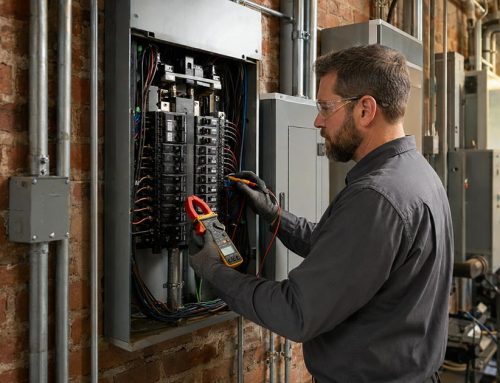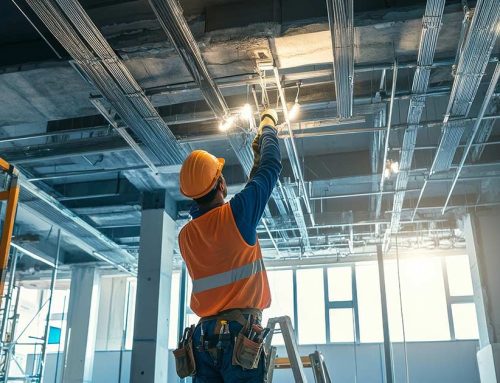
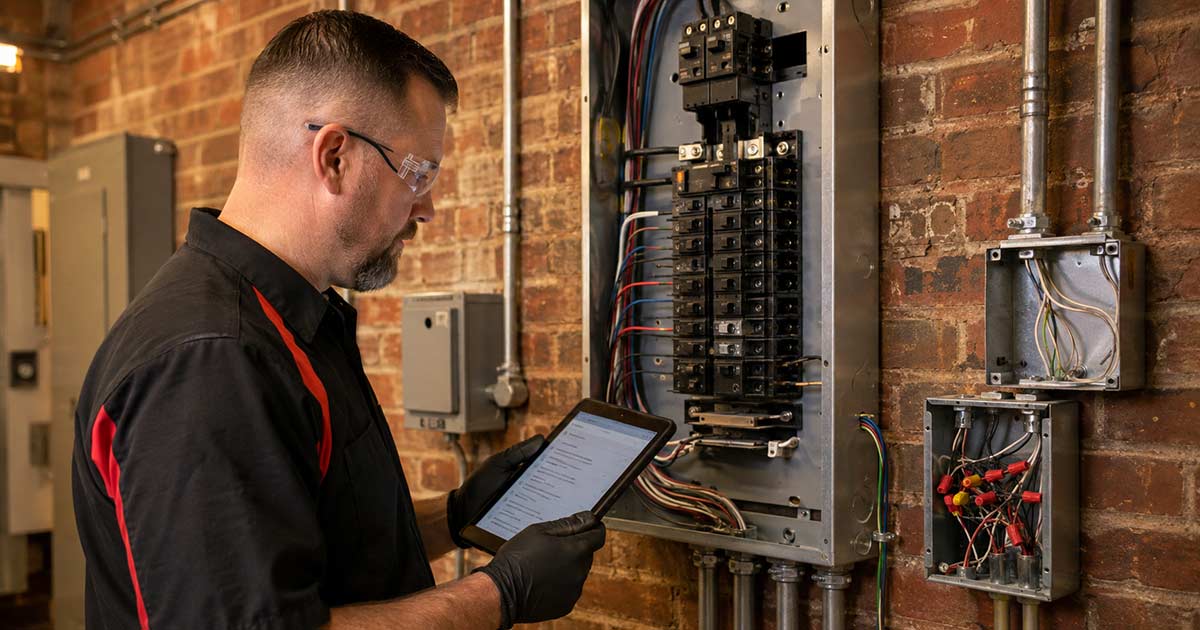
A failed commercial electrical inspection can delay a business opening, tenant finish-out, remodel, equipment installation, or Certificate of Occupancy. In an older Weatherford building, the problem may involve years of undocumented electrical alterations rather than one simple repair.
If your business received an inspection correction notice, inherited questionable wiring, or discovered electrical problems during a remodel, commercial electrical code corrections in Weatherford, TX can help address the cited deficiencies and move the project toward reinspection.
Electrical code corrections are not about replacing components at random. A licensed commercial electrician must review the inspection findings, examine the installation, determine why the problem exists, and develop a correction plan that fits the property, permit, equipment, and current use of the building.
Matador Electric helps Weatherford and Parker County business owners, commercial landlords, property managers, tenants, facility managers, and contractors identify and correct electrical problems in older commercial properties.
Why Older Weatherford Commercial Buildings Develop Electrical Code Problems
Many commercial properties in Weatherford have served several different businesses during their lifetime. A building that began as a small retail store may later become a restaurant, salon, medical office, automotive shop, warehouse, or multi-tenant property.
Each new use can introduce additional lighting, receptacles, signs, HVAC units, kitchen appliances, refrigeration, computers, security systems, machinery, and specialized equipment.
When these additions are not planned and documented as part of one coordinated electrical system, problems can accumulate behind walls, above ceilings, inside junction boxes, and throughout the building’s panels and circuits.
Common causes include:
- Electrical work completed without the required permit or inspection
- Alterations performed by unlicensed or unqualified individuals
- Temporary wiring that gradually became permanent
- Equipment added without verifying circuit requirements
- Panels modified with incompatible components
- Tenant improvements completed without updating panel directories
- Older wiring damaged during repeated remodeling projects
- Repairs that addressed a symptom without correcting the cause
- Changes in occupancy or building use
- Years of undocumented additions and modifications
The age of a building does not automatically make its electrical system unsafe or noncompliant. The important questions are whether the equipment remains in serviceable condition, how the system has been altered, whether it safely supports the building’s present use, and which requirements apply to the current project.
For businesses adding HVAC, kitchen equipment, machinery, refrigeration, or other major loads, Matador Electric may also recommend a commercial electrical load assessment. That evaluation focuses on available capacity, while code-correction work addresses specific safety, installation, and inspection deficiencies.

When Weatherford Businesses May Face an Electrical Inspection
A commercial electrical inspection may be connected to a remodel, tenant finish-out, repair, new equipment installation, panel replacement, service upgrade, building expansion, or change in occupancy.
The City of Weatherford advises property owners and contractors to contact the Building Division when work is being performed on a residential or commercial structure within the city limits.
The City also explains that a new or changed Certificate of Occupancy may be needed when the ownership of a commercial building changes, a new person or company leases a space, or the current occupant changes how the building is used.
Situations that may bring existing electrical deficiencies to light include:
- A new business moving into an older commercial space
- A commercial property changing owners
- A tenant changing the use of a building or lease space
- A restaurant, salon, shop, warehouse, or medical office adding equipment
- A contractor opening walls or ceilings during a remodel
- An electrical panel or service being replaced
- Storm, water, fire, or equipment damage exposing older wiring
- An insurance company requesting an electrical evaluation
- A permit inspection identifying work outside the approved scope
- A Certificate of Occupancy inspection revealing existing problems
Texas establishes minimum requirements for electrical work, while the local authority having jurisdiction is responsible for applicable local permits and inspections.
The Texas Department of Licensing and Regulation compliance guide explains that the electrical code applicable to a project can depend on when the work began or when a required permit was obtained.
For that reason, a correction plan should be based on the actual inspection notice, property, permit, project scope, and jurisdiction—not a generic online checklist.
Common Electrical Problems Found in Older Commercial Buildings
No two inspection reports are identical. However, older and repeatedly remodeled commercial buildings tend to develop several recurring electrical problems.
The following conditions are examples only. They do not mean every property has these deficiencies or requires the same repairs.
Open Junction Boxes and Missing Covers
Electrical junction boxes, pull boxes, and enclosures should be properly closed and protected. Missing covers, unused openings, exposed conductors, and open knockouts can leave electrical components vulnerable to contact, dirt, moisture, and physical damage.
Improper Breakers and Panel Modifications
A circuit breaker that physically fits into a panel is not necessarily approved for use with that equipment.
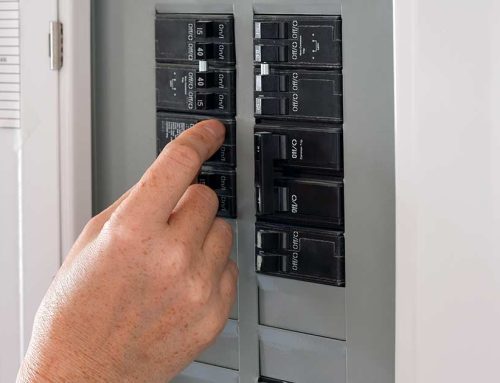
Older commercial panels may also contain incompatible breakers, improper double-tapped connections, missing filler plates, damaged components, poor labeling, corrosion, or modifications that do not follow the manufacturer’s instructions.
If the panel is obsolete, damaged, overheating, or unable to support the building safely, a limited correction may not be enough. Matador Electric provides commercial electrical panel upgrades and replacements when a larger solution is appropriate.
Extension Cords Used as Permanent Wiring
An extension cord may begin as a temporary way to power a register, refrigerator, workstation, sign, appliance, or tool and then remain in place for years.
Flexible cords are not a substitute for permanent building wiring. Cords routed through doors, walls, ceilings, floors, or other areas where they can be pinched or damaged can create additional safety concerns.
The proper solution may involve installing new receptacles or dedicated circuits instead of continuing to depend on temporary wiring.
Damaged or Improperly Installed Wiring
Commercial wiring can be damaged by remodeling, water intrusion, pests, excessive heat, vibration, sharp edges, stored materials, or repeated equipment changes.
Conductors may also be improperly supported, spliced outside approved enclosures, installed without suitable protection, or terminated in a manner that causes heat and reliability problems.
Grounding and Bonding Deficiencies
Grounding and bonding are important parts of an electrical safety system. Missing connections, damaged grounding conductors, improper bonding, or alterations that interrupt the intended fault-current path can prevent protective devices from working correctly.
Missing or Inaccurate Circuit Identification
An inaccurate panel directory makes maintenance, troubleshooting, emergency response, and future improvements more difficult.
In a multi-tenant building, poor labeling can also cause someone to disconnect or service the wrong equipment. Correct circuit identification helps electricians and property personnel operate the system more safely.
Insufficient Access to Electrical Equipment
Electrical panels and service equipment need appropriate access for inspection, operation, and maintenance.
Storage, merchandise, shelving, equipment, building materials, or permanent fixtures should not obstruct the required working area around electrical equipment.
Damaged Receptacles and Missing Protection
Commercial inspections may identify broken receptacles, missing covers, loose devices, reversed connections, grounding problems, improper installation locations, or missing protective devices where required.
The correct repair depends on the use of the space, the equipment being served, and the requirements applicable to that installation.
Unapproved Tenant Improvements
A previous tenant may have added offices, walls, equipment, lighting, signs, outlets, or circuits without proper planning or inspection.
A new tenant can inherit these conditions without knowing who performed the work, which circuits were affected, or whether the installation was ever approved.
Matador Electric’s commercial electrical inspections and safety checks can help identify these problems before they become a failed inspection or opening-day delay.
What to Do After a Failed Commercial Electrical Inspection
A failed inspection is frustrating, especially when the business has a scheduled opening date or a contractor is waiting to continue construction.
The fastest response is usually a careful one. Starting repairs without understanding the complete correction notice can result in duplicated work, missed deficiencies, and another failed inspection.
Obtain the Complete Correction Notice
Request a copy of the entire inspection report or correction notice. Make sure it includes every cited item, location, note, and reference provided by the inspector.
Do not rely only on a verbal explanation such as “the panel failed” or “the wiring is not up to code.” The written findings give the electrical contractor a better starting point.
Confirm the Permit and Project Scope
Determine which work was permitted, who completed it, and whether the cited condition relates to new work, an existing installation, or both.
The electrical contractor may need to review available plans, equipment specifications, prior permit information, and the intended use of the property.
Do Not Conceal or Energize Cited Work
Do not cover the affected wiring or energize cited equipment until the installation has been evaluated and corrected appropriately.
Walls, ceilings, cabinets, equipment, and stored materials may need to remain open or accessible for the follow-up inspection.
Schedule an Onsite Commercial Electrical Evaluation
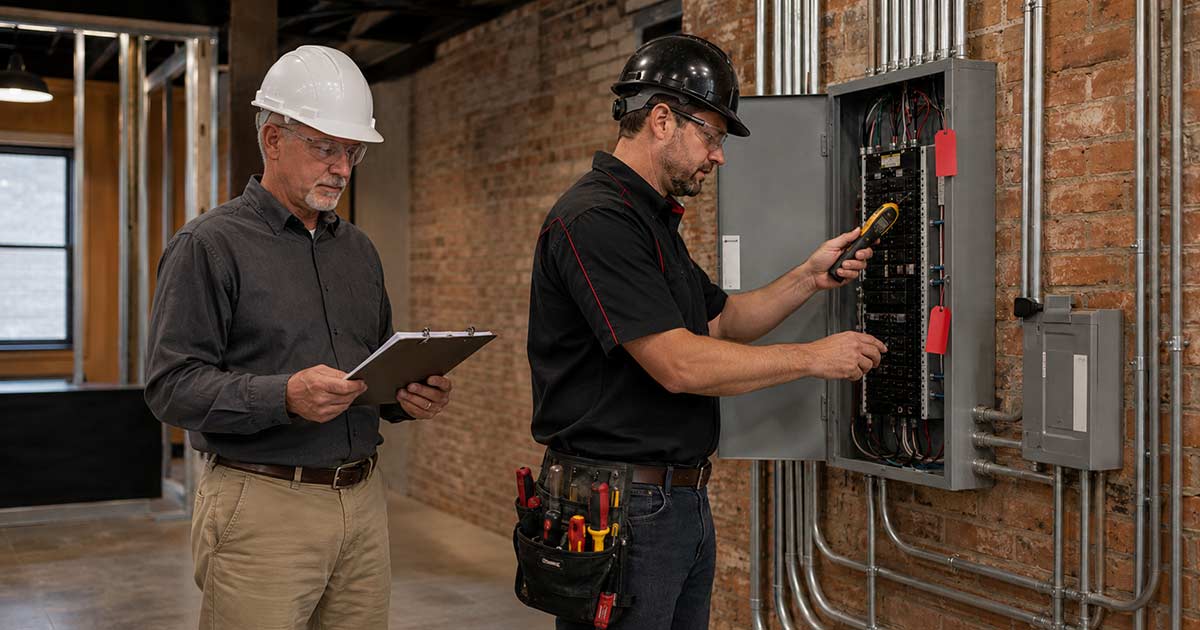
A licensed commercial electrician should inspect each cited condition and evaluate nearby components that could affect the repair.
The visible problem may be only one part of a larger issue. For example, an overheated connection could be related to a loose termination, damaged equipment, improper conductor size, excessive demand, or another condition that must be diagnosed.
Develop a Written Correction Plan
The proposed scope should identify the required repairs, replacement components, access needs, electrical shutdowns, permit coordination, and likely reinspection steps.
A clear plan helps the owner, tenant, electrician, contractor, and property manager understand what must happen before the project can move forward.
Plan Around Business Operations
Some electrical code corrections can be completed without interrupting the entire business. Others may require one circuit, a panel, a piece of equipment, or the building’s service to be temporarily de-energized.
Planning the shutdown can help protect computers, refrigeration, HVAC systems, security equipment, registers, machinery, and other essential operations.
Complete and Document the Repairs
Keep invoices, photographs, equipment information, permit records, and final inspection documentation with the property’s maintenance records.
Accurate documentation can help during future remodels, tenant changes, equipment additions, insurance reviews, and property transactions.
Prepare for Reinspection
Before requesting the next inspection, confirm that every cited item has been addressed and that the completed work remains accessible.
The required reinspection process should be coordinated through the appropriate permit holder and authority having jurisdiction.
Immediate Electrical Hazards Should Not Wait for Reinspection
Some inspection deficiencies create project delays. Others may present an immediate safety concern.
Stop using the affected equipment and call a licensed electrician promptly if you notice:
- Smoke or visible arcing
- A persistent burning odor
- Scorch marks around panels, outlets, or equipment
- An electrical panel or enclosure that is excessively hot
- Exposed energized conductors or components
- Crackling, popping, or unusual buzzing sounds
- Water entering electrical equipment
- Repeated breaker trips accompanied by heat or odor
Do not replace a repeatedly tripping breaker with a larger breaker unless a qualified electrician has evaluated the circuit. Breakers protect conductors and equipment from unsafe current. Increasing the breaker size without verifying the entire circuit can remove that protection.
Matador Electric provides 24/7 emergency electrical service for urgent electrical problems in Weatherford and surrounding communities.
How Commercial Electrical Code Corrections Work
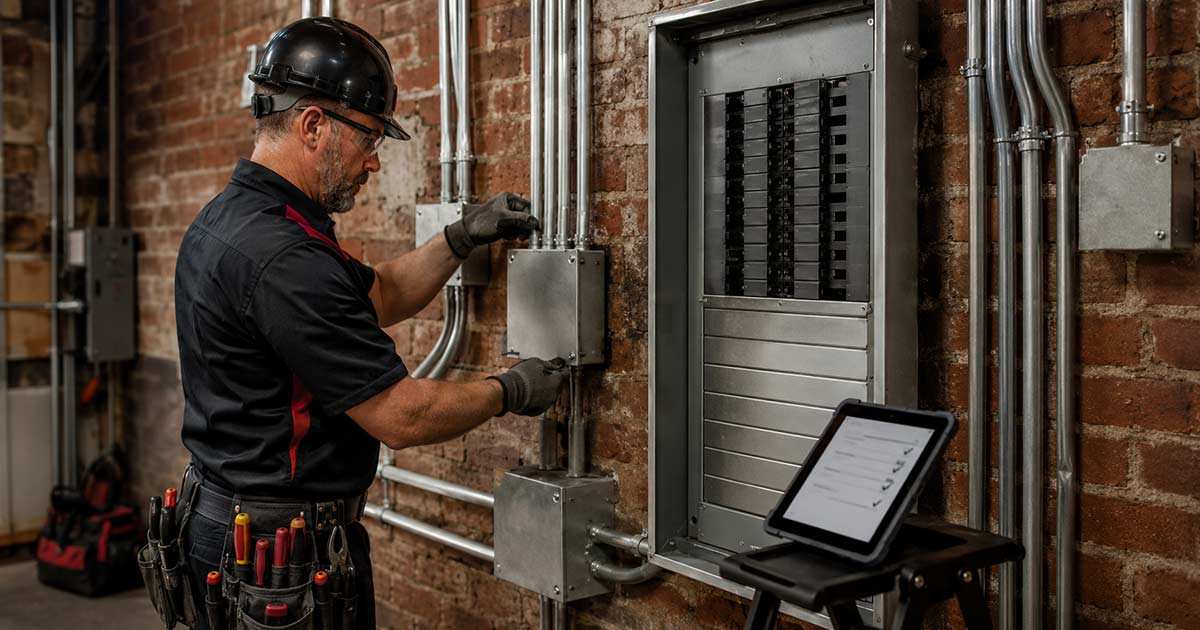
The code-correction process should begin with diagnosis rather than immediately replacing whichever component appears closest to the problem.
Review the Inspection Findings
The electrician reviews the correction notice, permit scope, available plans, equipment specifications, and information supplied by the property owner or contractor.
Inspect the Cited Locations
Each cited condition is located and evaluated. The electrician may need access to panels, electrical rooms, equipment disconnects, ceilings, junction boxes, tenant spaces, mechanical areas, exterior equipment, and utility service components.
Identify the Cause and Related Conditions
A tripping breaker, overheated conductor, damaged receptacle, open box, or missing protective device may be the visible deficiency without being the complete cause.
Effective code correction addresses the underlying installation rather than applying a cosmetic repair that leaves the original problem in place.
Prepare the Corrective Scope
The correction plan may involve repairing wiring, replacing damaged components, closing enclosures, correcting terminations, installing appropriate protection, adding required circuits, improving circuit identification, restoring safe access, or replacing equipment that cannot be repaired properly.
Complete the Work and Prepare for Reinspection
After the repairs are complete, the corrected work should be checked, labeled where appropriate, and left accessible for inspection.
Any applicable permit, documentation, or reinspection process should be coordinated with the authority having jurisdiction.
For conditions that require diagnosis before the correction scope can be established, Matador Electric provides commercial electrical repairs and troubleshooting.
Does the Building Need a Code Correction or a Larger Electrical Upgrade?
A failed inspection does not automatically mean the entire electrical system must be replaced. Many deficiencies can be corrected at the affected location.
However, isolated repairs may not be practical when the inspection uncovers a widespread or system-level problem.
A targeted correction may be appropriate when:
- The deficiency is limited to a specific box, device, circuit, or connection
- The existing electrical equipment remains in serviceable condition
- The panel and circuit have appropriate capacity
- The problem resulted from one clearly identifiable alteration
- The repair can be completed without leaving related unsafe conditions
A larger upgrade may be necessary when:
- The panel or service equipment is obsolete or damaged
- Replacement components are unavailable or incompatible
- Multiple circuits contain improper modifications
- Existing conductors are damaged or unsuitable for their loads
- The building lacks capacity for its present or proposed use
- Water, heat, corrosion, fire, or physical damage affects multiple components
- Years of undocumented alterations make isolated repairs impractical
- The project substantially changes the building’s electrical demand
When broader modernization is needed, Matador Electric provides commercial electrical upgrades and rewiring as well as electrical panel upgrades and replacements.
The recommended solution should match the actual condition and intended use of the building. It should not automatically default to the most extensive option.

Schedule an Electrical Review Before the Inspector Arrives
The best time to find an electrical correction item is before it delays the project.
A pre-inspection electrical review may be especially valuable when:
- You are leasing an older commercial space
- The previous tenant installed substantial equipment
- You are changing the use of the building
- You are preparing for a tenant finish-out
- You are adding restaurant, salon, medical, automotive, or industrial equipment
- The panel directory is missing or inaccurate
- Extension cords and power strips are being used permanently
- Previous electrical work has no clear permit or inspection history
- A contractor will soon cover wiring with walls or ceilings
- Your planned opening date depends on passing an inspection
A pre-inspection review cannot guarantee that an inspector will approve every part of a project. It can help identify visible deficiencies early enough to correct them before they affect a critical deadline.
Businesses that need continuing inspections, preventive maintenance, and priority scheduling after the immediate corrections are complete can also review Matador Electric’s commercial electrical maintenance guidance and Commercial Priority Service Plan.
Weatherford Permits, Inspections, and Electrical Requirements
Commercial electrical corrections should be planned around the requirements that apply to the specific property and project.
The City of Weatherford Development Services Department provides access to local permit information and contacts for property owners and contractors.
The City’s building-inspection information also explains that electrical subcontractors working locally must register with the City and provide applicable licensing and insurance information.
The Texas Department of Licensing and Regulation states that local licensing or inspecting authorities are responsible for inspecting electrical work performed within their jurisdictions.
The exact permit, inspection, and correction requirements can vary according to:
- The location of the property
- The scope of the permitted project
- When the permit was issued
- The type and age of the electrical installation
- The building’s occupancy and current use
- The equipment being installed or modified
- Local amendments and utility requirements
Property owners and contractors should confirm current requirements with the City of Weatherford or the applicable authority having jurisdiction before corrective work begins.
Why Use a Licensed Commercial Electrician for Code Corrections?
Commercial code-correction work often requires more than replacing a breaker, outlet, or junction-box cover.
The electrician may need to interpret an inspection notice, trace circuits, evaluate equipment compatibility, diagnose hidden problems, plan shutdowns, coordinate permits, and prepare the completed work for reinspection.
A qualified local commercial electrician also understands the practical needs of Weatherford businesses, including older buildings, tenant turnover, equipment additions, utility coordination, construction schedules, and the importance of minimizing operational downtime.
Matador Electric provides commercial electrical services in Weatherford for offices, restaurants, retail properties, warehouses, shops, commercial landlords, facility managers, tenants, and contractors.
Schedule Commercial Electrical Code Corrections in Weatherford, TX
If your business failed an electrical inspection, received a correction notice, inherited questionable wiring, or discovered undocumented alterations during a remodel, address the problem before it creates another delay.
Matador Electric can evaluate the cited conditions, explain the recommended corrective work, complete appropriate commercial electrical repairs, and help prepare the installation for reinspection.
Our licensed commercial electricians serve businesses, property owners, facility managers, tenants, landlords, and contractors throughout Weatherford and Parker County.
Call (682) 290-1884 or request commercial electrical code-correction service online.

Frequently Asked Questions About Commercial Electrical Code Corrections
What Are Commercial Electrical Code Corrections?
Commercial electrical code corrections are repairs or modifications made to resolve deficiencies identified during an inspection or electrical evaluation. The work may involve wiring, breakers, panels, receptacles, grounding and bonding, junction boxes, circuit identification, working clearance, protective devices, or other parts of a commercial electrical system.
What Should I Do if My Weatherford Business Fails an Electrical Inspection?
Obtain the complete correction notice and schedule an onsite evaluation with a licensed commercial electrician. The electrician should review each cited item, determine the cause, prepare a corrective scope, complete the appropriate work, and help ensure the installation is accessible and ready for reinspection.
Does a Failed Electrical Inspection Mean the Entire Building Must Be Rewired?
No. Some inspection deficiencies can be corrected individually. A larger upgrade may be recommended if the building has damaged or obsolete equipment, widespread improper alterations, unsafe wiring, or insufficient electrical capacity for its present use.
Can Matador Electric Correct Work Installed by a Previous Tenant or Contractor?
Matador Electric can inspect the existing installation and recommend appropriate repairs. The exact scope depends on the condition of the work, the inspection findings, equipment requirements, applicable permits, and the requirements of the local authority having jurisdiction.
Should I Schedule an Electrical Review Before Applying for a Certificate of Occupancy?
A pre-inspection electrical review can help identify visible deficiencies before they delay a Certificate of Occupancy, tenant opening, remodel, or change of use. Requirements vary by property and project, so confirm the necessary permit and inspection steps with the City of Weatherford or the applicable authority.